ChatGPT Astra 6 Architecture & Deep Dive: Engineering Next-Generation Real-Time Multimodal AI Applications
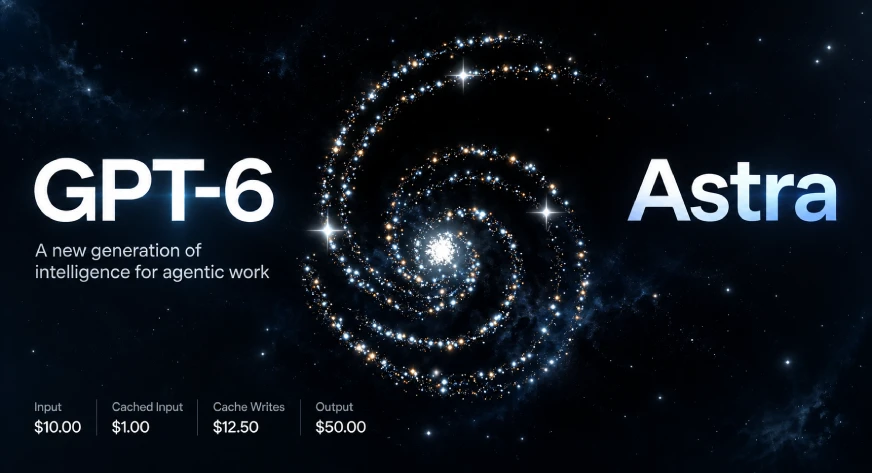
1. Introduction to ChatGPT Astra 6: The Frontier of Real-Time Multimodal Intelligence
The evolution of Large Language Models has progressed rapidly from text-only conversational interfaces to multi-modal systems capable of interpreting images, code, and structured JSON files. However, early multimodal implementations relied on fragmented pipeline architectures: separate speech-to-text models (such as Whisper) transcribed user audio, an intermediate text model processed logic, and a text-to-speech engine synthesized spoken responses. This pipeline cascading introduced cumulative latency delays of 2 to 4 seconds, destroying the fluid natural flow required for real-time human-computer interaction.
With the release of ChatGPT Astra 6, OpenAI has introduced a unified, end-to-end multimodal model architecture built from the ground up to process text, high-definition video feeds, low-latency audio waveforms, and code tokens natively within a single transformer neural network. Capable of maintaining sub-200 millisecond voice-to-voice response times, Astra 6 enables full stack software engineers to build immersive real-time AI agents, interactive web interfaces, and automated enterprise logistics tools that perceive the physical world directly through cameras and microphones.
As enterprise web platforms shift toward conversational interfaces, understanding the inner mechanics of Astra 6 becomes an essential technical competency for full stack developers, SaaS engineers, and cloud architects building high-concurrency systems.
2. Technical Deep Dive into Astra 6 Model Architecture
Understanding how Astra 6 achieves ultra-low latency and continuous multimodal comprehension requires examining its underlying neural architecture, attention mechanisms, and tokenization innovations.
Native Multimodal Tokenization and Cross-Attention
Rather than converting audio and video feeds into text transcripts prior to ingestion, Astra 6 tokenizes continuous sensory streams natively. Video frames captured at high frame rates are encoded into spatio-temporal visual patches using a vision transformer encoder, while raw continuous audio signals are converted into discrete acoustic neural tokens using a high-fidelity neural audio codec. Text, code, visual patches, and acoustic tokens share a continuous embedding space within Astra 6's unified transformer architecture. This allows the cross-attention mechanism to analyze facial expressions, speech tone variations, and code changes simultaneously, preserving emotional and contextual cues lost in text-only pipelines.
Sub-Second Reasoning and Dynamic Context Pruning
A major bottleneck in processing continuous video and audio streams is context window saturation. High-definition camera feeds streaming at 30 frames per second generate millions of visual tokens per minute. Astra 6 solves this context bloat through dynamic spatio-temporal attention pruning. The model automatically compresses static background visual tokens, allocating computational attention exclusively to moving objects, changing text labels, and active user gestures. Furthermore, Astra 6 incorporates adaptive inference compute scaling, dynamically increasing internal reasoning steps when presented with complex code debugging problems, while executing instant sub-200ms lookups for standard conversational queries.
3. Engineering Web Applications with the Astra 6 Multimodal Live API
Integrating ChatGPT Astra 6 into modern web applications requires moving away from traditional HTTP REST request-response cycles in favor of bi-directional, full-duplex WebSockets and WebRTC connections.
Full-Duplex WebSockets & WebRTC Data Tunnels
To support real-time audio and video streaming, backend servers establish WebRTC peer-to-peer data channels or persistent WebSocket connections directly between the browser client and the Astra 6 API gateway. The browser streams Opus-encoded audio chunks and compressed WebP video frames at 150ms intervals. Astra 6 streams back PCM audio buffers and visual inspect coordinate overlays incrementally, allowing front-end React components to render audio visualizers and bounding boxes with zero perceived lag.
Asynchronous Audio Interruption Handling
In natural human conversation, speakers frequently interrupt one another. Traditional text-based voice bots struggle with interruptions, completing their pre-rendered audio outputs even when the user starts speaking midway. Astra 6 incorporates real-time barge-in detection. The moment the client-side microphone detects user voice activity while Astra 6 is speaking, the browser sends an instant interruption frame down the WebSocket. Astra 6 immediately halts its current audio generation, purges unplayed audio buffers, and begins listening to the new user input instantly.
4. Enterprise Use Cases: Transforming Custom Software and ERP Systems
The real-time vision and voice capabilities of ChatGPT Astra 6 unlock transformative capabilities across custom enterprise web applications and operational management tools.
Automated Visual Inspection in Battery ERP Applications
In enterprise solutions such as our Battery Inventory ERP Application, warehouse technicians inspect incoming battery shipments. Using a mobile camera stream powered by Astra 6, the technician points the device at a pallet of batteries. Astra 6 visually identifies serial number barcode plates, detects physical casing cracks or acid leaks, reads manufacturing batch codes, and queries the MySQL inventory database via function calls—all within seconds without requiring manual barcode scanner hardware.
Real-Time Remote Software Engineering & Pair Programming
Astra 6 revolutionizes software developer workflows by acting as a real-time pair programmer. By sharing a live screen feed of an IDE (such as VS Code or Antigravity IDE), Astra 6 visually inspects code syntax, monitors terminal build errors, and speaks step-by-step refactoring guidance in real time as the developer types, pointing out memory leaks and SQL injection vulnerabilities instantly.
5. Performance Benchmarks, Latency Optimization, and DevSecOps Best Practices
Deploying Astra 6 in production enterprise environments demands strict adherence to latency budgets and API cost optimization strategies.
- Prompt & Context Caching: System prompts, developer persona guidelines, and corporate database schemas are cached at the provider layer. Caching cuts initial handshake latency by 85% and reduces token costs dramatically.
- Adaptive Audio Bitrate Streaming: Astra 6 automatically scales audio sample rates (from 8kHz up to 24kHz) based on detected client network conditions, guaranteeing zero audio stuttering even over mobile 4G networks.
- Guardrail Token Filtering: All incoming multimodal streams pass through real-time safety guardrails to detect prompt injection attempts, unauthorized screen recording of confidential customer data, and malicious audio manipulation.
- Connection Pooling & State Persistence: Server-side WebSocket proxies manage connection pooling across distributed app clusters, persisting session state inside Redis caches to support smooth failover without session loss.
6. Summary of Architectural Guidelines for Developers
When architecting applications on Astra 6, software engineers should adhere to four core principles: first, decouple UI rendering from WebSocket stream handlers; second, implement client-side audio visual feedback so users perceive sub-100ms acknowledge states; third, strictly parameterize all function calls to prevent prompt injection exploits; and fourth, establish automated fallback channels to standard text models if network degradation drops WebRTC bandwidth below minimal thresholds.
7. Conclusion: Architecting the Future with ChatGPT Astra 6
ChatGPT Astra 6 represents a landmark milestone in artificial intelligence, bridging the gap between passive software applications and active, real-time multimodal intelligence. By mastering WebSockets, WebRTC data pipelines, and native multimodal tool execution, software developers can build enterprise platforms that redefine user experience and operational productivity in 2026 and beyond.